





A small bump under your skin may not seem like a big deal until it becomes red, swollen, and painful. This could be a skin abscess, a common infection that can worsen if left untreated. Abscesses can grow quickly and may lead to more serious health problems without proper care.
Let’s break down what causes skin abscesses, how to recognize the symptoms, and how to treat them the right way.
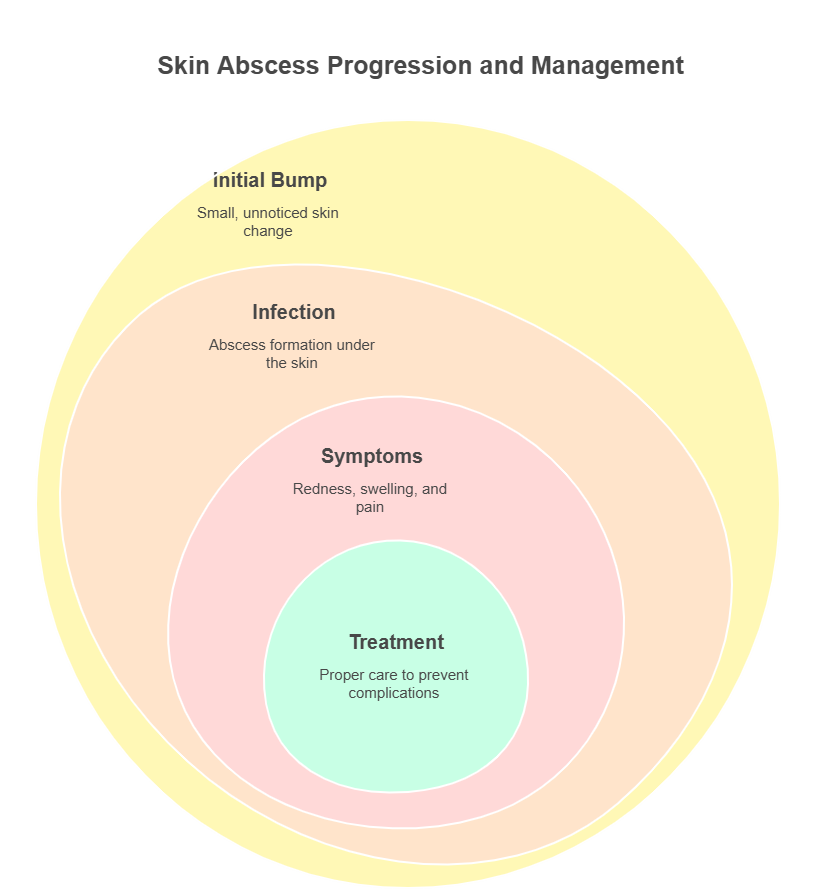
A skin abscess is a pocket of pus that forms under the skin due to infection. This pus is typically a mixture of dead tissue, bacteria, and immune cells. The most common cause of an abscess is a bacterial infection, often caused by Staphylococcus aureus (Staph), though clogged sweat glands, ingrown hairs, or infected wounds can also lead to abscesses.
Who’s at risk?
Diabetics
Individuals with weakened immune systems
People with poor hygiene
If you notice a bump under your skin, it’s essential to take action. Ignoring it could lead to further infection or complications.
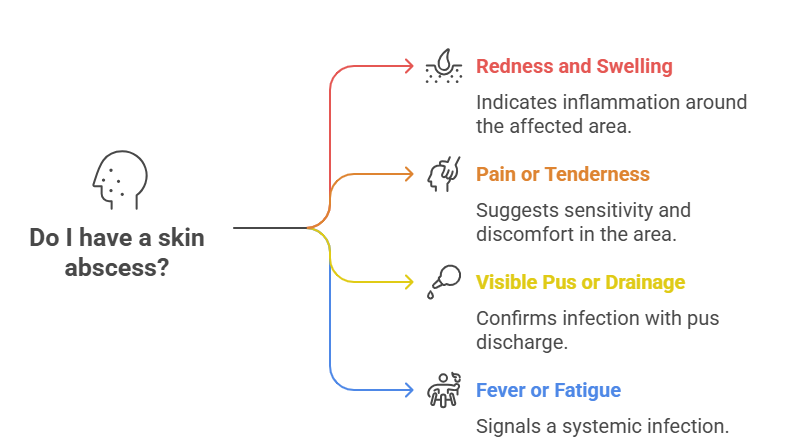
How can you tell if you have a skin abscess? Here are some common symptoms to look for:
Redness and Swelling: The skin around the bump will likely become red and inflamed.
Pain or Tenderness: The area may be painful, especially when touched.
Visible Pus or Drainage: If the abscess is draining, you may notice yellow, green, or thick pus coming from it.
Fever or Fatigue: In more severe cases, the infection can spread, leading to systemic symptoms such as fever and general fatigue.
If you experience any of these signs, it’s time to take action to avoid the infection worsening.
It’s also important to know the difference between an abscess and a cyst. While both may appear as lumps under the skin, cysts are usually painless, slower-growing, and filled with fluid or semi-solid material, whereas abscesses are typically painful, red, and filled with pus due to infection.
Recovery depends on the size of the abscess and whether drainage was necessary.
Healing may take longer in people with diabetes or weakened immune systems.
It might seem tempting to pop the abscess yourself, but this is a risky move. Here’s why:
Worsening Infection: Squeezing the abscess could push the bacteria deeper into the skin, spreading the infection.
Scarring: Self-treatment often leads to scarring, which may be permanent.
Bacteria Spread: DIY drainage can cause bacteria to spread to surrounding areas of your skin or even to other people.
While applying a warm compress can help encourage drainage, it doesn’t replace proper medical treatment. So, don’t fall for the myth that home remedies will resolve the problem completely.
For smaller abscesses that aren’t causing severe pain or spreading, you can try the following home remedies to alleviate symptoms:
Warm Compresses: Apply a warm compress to the abscess for 20 minutes, a few times a day. The heat can help the abscess drain naturally.
Over-the-Counter Pain Relievers: An over-the-counter remedy can help control pain and bring down swelling.
Good Hygiene: Keep the affected area clean by washing it gently with soap and water. Avoid touching it with dirty hands.
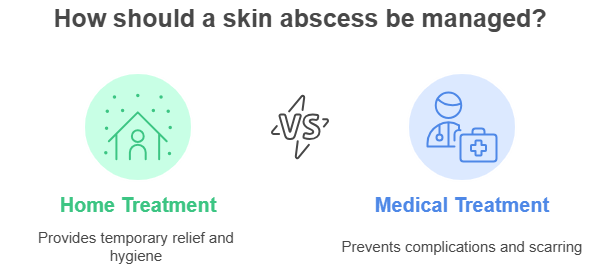
If the abscess becomes larger, more painful, or doesn’t drain, it’s time to seek professional care. Signs that you need to go to a doctor or urgent care center include:
The abscess is growing in size or becoming more painful.
Pus is not draining or keeps returning after attempts to drain.
You develop a fever, fatigue, or experience spreading redness, indicating that the infection might be spreading.
Many people wonder whether a skin abscess will go away on its own. Small abscesses may occasionally drain naturally with warm compresses, but larger or deeper abscesses often require professional abscess drainage. If pain, swelling, redness, or pus continues to worsen, delaying treatment can allow the infection to spread into surrounding tissue. A healthcare provider can determine whether incision and drainage or antibiotics are needed for safe recovery.
Although people often use the terms interchangeably, a boil is actually one type of skin abscess caused by an infected hair follicle. Skin abscesses can develop anywhere bacteria enter the skin and may become larger or deeper than a typical boil. Both conditions can cause redness, swelling, warmth, pain, and pus, but larger abscesses frequently require medical drainage rather than home treatment.
If your abscess requires medical intervention, urgent care centers are equipped to provide the necessary treatment. The process generally involves:
Incision and Drainage (I&D): A healthcare provider will make a tiny incision to let the pus drain out.
Local Anesthesia: You’ll receive a local anesthetic to numb the area and make the procedure more comfortable.
Antibiotics: For more serious infections, your provider may prescribe antibiotics to fight the bacteria.
Follow-Up Care: After treatment, you will receive instructions on wound care to promote healing and avoid further infection.

While you can’t always prevent an abscess, there are a few steps you can take to reduce the risk:
Keep Skin Clean and Dry: Maintain good hygiene by regularly cleansing and drying sweat-prone or high-friction areas.
Avoid Squeezing Pimples or Ingrown Hairs: This can cause bacteria to enter the skin and lead to an infection.
Treat Small Cuts Promptly: Clean cuts and wounds immediately to prevent wound infection.
If you experience recurrent abscesses, it may be a sign of an underlying health condition. In such cases, a healthcare professional might recommend further medical evaluation.
It’s clear that abscesses should not be treated with DIY methods, especially when the infection could worsen or lead to permanent scarring. Proper care, whether through home remedies for mild cases or professional intervention for more severe abscesses, is the key to a speedy recovery.
With the right skin abscess treatment from a healthcare provider, recovery from a skin abscess is typically straightforward. Urgent care clinics are often the best choice for abscess treatment, they offer prompt evaluation, drainage procedures, and antibiotic management without the long wait times of emergency rooms.
The sooner you seek professional care, the quicker and safer your recovery will be.
Need help with a skin abscess? At Metro Urgent Care, we provide immediate, professional care to ensure your speedy recovery. Our team of experts will assess, treat, and guide you through the recovery process to prevent further complications.
Not always. While antibiotics help treat bacterial infections, many skin abscesses require incision and drainage because antibiotics cannot easily penetrate a pocket of pus. Your healthcare provider will determine whether drainage, antibiotics, or both are appropriate.
The abscess itself is not contagious, but the bacteria causing it, particularly Staphylococcus aureus (including MRSA), can spread through direct skin contact or shared personal items. Good hygiene and proper wound care help reduce the risk of transmission.
A skin abscess can leave a small scar, especially if it is large, deeply infected, or treated late. Avoid squeezing or popping an abscess yourself, as this can increase tissue damage and make scarring more likely. Proper medical treatment and wound care help minimize scarring.
Stress doesn't directly cause a skin abscess, but long-term stress can weaken the immune system, making it harder for your body to fight bacterial infections. Poor sleep, chronic stress, and certain medical conditions may increase your risk of developing skin infections.
Yes. People with diabetes have a higher risk of developing skin abscesses because elevated blood sugar can weaken the immune response and slow wound healing. Keeping diabetes well controlled can help reduce the risk of recurring skin infections.
Yes. If left untreated, bacteria from a skin abscess can spread into the surrounding tissue or bloodstream, leading to more serious infections such as cellulitis or, in rare cases, sepsis. Seek medical care if redness spreads, fever develops, or the abscess continues to grow.
Most small to moderate skin abscesses can be evaluated and treated at an urgent care clinic. However, you should go to the emergency room if the infection spreads rapidly, you develop a high fever, the abscess is near the eyes or genitals, or you have severe pain, confusion, or signs of sepsis.


Stay protected this flu season!


