



loader
Fullerton Ave Montrose Ave La Grange

Infection Risks From Lacerations and How to Prevent Them

Dec 23, 2025

Laceration Care

Laceration Care

A slip of the knife, a fall on the sidewalk, or a brush against a rusty nail, lacerations can happen in the blink of an eye. One moment, life is normal; the next, you’re staring at an open cut, wondering if it’s serious.

Even minor wounds can hide a bigger danger: infection. Invisible bacteria can sneak in, multiply, and turn a simple injury into swelling, pain, or worse.

Let’s explore how laceration infections develop and the practical steps you can take to prevent them before they become a real problem.

What Happens When a Laceration Gets Infected?

The moment your skin is broken, the body's primary protective barrier is breached, allowing bacteria from the surface, the object that caused the injury, or the surrounding environment to enter the deeper tissues.

The body’s immune system immediately recognizes these foreign invaders and rushes white blood cells to the site. This natural response is what causes initial inflammation, the redness, swelling, and heat you feel. However, if the bacterial load is too heavy or the wound is improperly cleaned, the immune system can be overwhelmed. The bacteria rapidly multiply, leading to a full-blown infection characterized by the formation of pus (a collection of dead white blood cells, bacteria, and tissue) and potentially spreading into the bloodstream. If ignored, a local infection can worsen quickly, causing significant pain and health risks.

Types of Lacerations and Which Are More Prone to Infection

Not all cuts carry the same risk. The characteristics of the injury can dramatically impact its likelihood of becoming infected:

  • Jagged Tears: Unlike clean surgical cuts, jagged wounds caused by blunt trauma or tearing often leave more damaged tissue and create pockets where bacteria can hide.
  • Deep Lacerations: Any cut that penetrates through the skin into the fat, muscle, or bone carries a higher risk because it introduces pathogens deeper into the body.
  • Dirty or Contaminated Wounds: Injuries resulting from contact with soil, water, rusty objects, or other heavily contaminated environments are high-risk. These environments are rich in various bacteria, including the bacteria that causes tetanus.
  • Bite Wounds: Both human and animal bite wounds have an extremely high risk of infection. Saliva contains a vast array of bacteria, which are forcefully inoculated deep into the tissue during the bite.

Common Signs of an Infected Laceration

Knowing the warning signs is crucial for early intervention. While some initial redness and swelling are normal, be on the lookout for these classic symptoms of an infected wound:
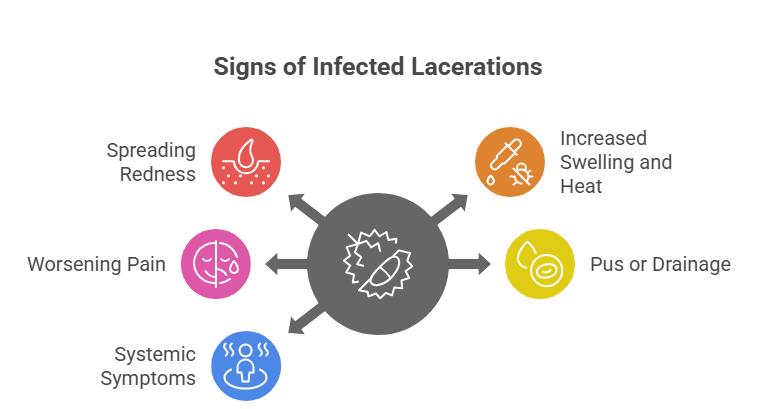
  • Spreading Redness: The redness moves noticeably outwards from the wound’s edge.
  • Increased Swelling and Heat: The area around the cut feels increasingly puffy and warm to the touch.
  • Worsening Pain or Throbbing: The pain intensifies instead of subsiding over time, often described as a throbbing sensation.
  • Pus or Drainage: A thick, opaque, yellow, green, or gray discharge coming from the wound, often accompanied by a foul odor.
  • Systemic Symptoms: Fever or chills can signal that the infection has become advanced or is spreading throughout the body.

Common Signs of an Infected Laceration

Why Some Lacerations Become Infected Faster

Several factors can impede the body's defense mechanisms and accelerate the rate of infection:

  • Delayed or Improper Care: Failing to thoroughly clean the wound immediately after the injury is the biggest culprit.
  • Foreign Materials: Embedded dirt, glass, wood, or gravel provides a constant source of bacteria and prevents the wound from closing.
  • Poor Immune Function: Individuals with underlying conditions like diabetes, those undergoing chemotherapy, or those taking immunosuppressive medications have slower healing rates and weaker defenses.
  • Location: Cuts on the hands, feet, or joints are often exposed to more bacteria and are subject to movement, which can prevent the wound from healing cleanly.

Immediate First Aid to Reduce the Risk of Infection

Proper first aid is your best defense against infection. Every moment counts.

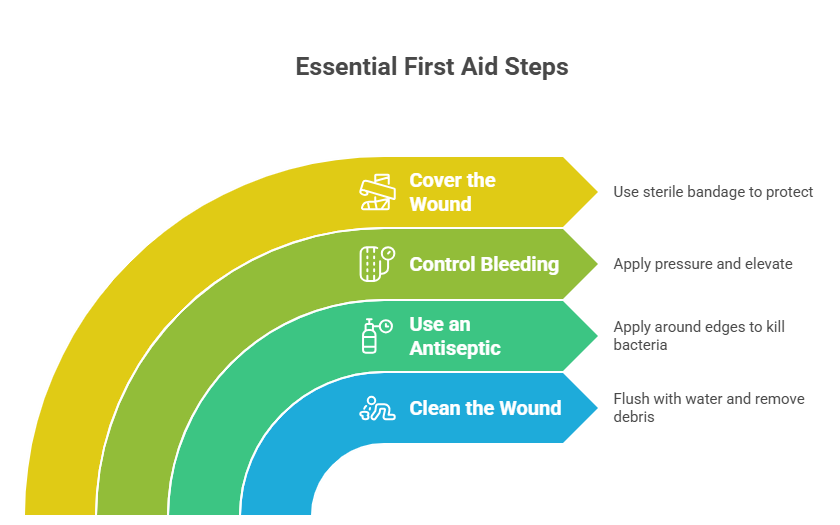
1.Clean the Wound Right Away

Immediately place the laceration under cool or lukewarm running water to flush out bacteria and debris. Gently use a clean cloth or gauze to remove any visible dirt, taking care not to scrub.

2. Use an Antiseptic

After cleaning, you may apply an over-the-counter antiseptic like povidone-iodine or chlorhexidine around the wound edges. Avoid applying alcohol or hydrogen peroxide directly into the wound, as they can damage healthy tissue and delay healing.

3. Control Bleeding Safely

Apply gentle, steady pressure directly to the wound using a clean cloth or sterile gauze. Elevate the injured area if possible.

4. Cover the Wound

Once bleeding has stopped and the wound is clean, apply a sterile bandage or gauze pad secured with medical tape. A covering helps keep the area clean and prevents further exposure to environmental bacteria.
First Aid Tips

Medical Treatments That Help Prevent Infection

Sometimes, a cut requires more than just a home bandage:

  • When You Need Stitches (Sutures): Deep, wide, or gaping lacerations often need to be closed by a doctor. Proper closure helps reduce the risk of infection by limiting the surface area exposed to contaminants and facilitating faster, cleaner healing.
  • Antibiotics: For high-risk injuries (e.g., bite wounds, heavily contaminated cuts) or wounds that are already showing early signs of infection, a doctor may prescribe oral antibiotics. It is essential to complete the full course of medication, even if the wound starts to look better.
  • Tetanus Shots: If the injury was caused by a dirty object, or if your last tetanus booster was more than five to ten years ago, you may need an urgent booster shot.

Home Care Tips to Keep a Healing Wound Clean

Maintaining vigilance at home is vital:

  • Daily Bandage Changes: Change the dressing at least once daily, or more often if it becomes wet or soiled.
  • Keep it Clean and Dry: Gently wash the area during showering, but pat it completely dry afterward.
  • Avoid Scratching: Resist the urge to pick at the wound or scab, as this introduces new bacteria and can disrupt the delicate healing process.

When to Seek Medical Attention

Do not hesitate to contact a healthcare provider if you notice any of the following:

  • Worsening redness, swelling, or pain.
  • Fever or chills (systemic signs of infection).
  • Pus, foul odor, or excessive warmth around the cut.
  • If the wound is deep, wide, or isn’t healing after several days.
  • If the injury came from an animal/human bite, a rusty object, or contaminated soil.

Keep Injuries Clean & Safe!

Even the smallest laceration deserves careful attention. With timely cleaning, proper monitoring, and appropriate medical support, most wounds heal without complications. Infections develop quietly but can progress quickly, which is why early, consistent care matters. By taking deliberate steps from the start, you protect both your recovery and your long-term health. A well-managed wound is always the simplest path to safe, confident healing.

Protect Your Wound with Metro Urgent Care

Even a small cut can take a wrong turn if it isn’t cleaned and treated correctly. At Metro Urgent Care, we provide precise wound cleaning, infection prevention, stitches when needed, and timely tetanus protection to support safe, uncomplicated healing. 

Don’t wait for redness or pain to worsen, visit us today for expert laceration care that keeps recovery on track.

Frquently Asked Questions About Laceration Infection

1. Can I shower with a fresh laceration, or will water increase the infection risk?

You can shower, but keep the wound covered and avoid direct water pressure. Excess moisture can introduce bacteria and increase the infection risk.

2. How long does it take for a laceration to fully heal without complications?

Most uncomplicated lacerations heal within 7–14 days, depending on depth and location. Proper cleaning, protection, and monitoring support faster, safer healing.

3. Do scars increase if a laceration becomes infected?

Infection disrupts normal healing, increases inflammation, and can damage surrounding tissue, often resulting in more noticeable or thicker scarring.

4. Can a small cut become seriously infected even if it doesn’t look deep?

Even shallow cuts can harbor bacteria, especially if dirty, untreated, or located in high-movement areas, leading to significant infection.

5. Are natural remedies like aloe vera or honey safe to use on lacerations?

Some may soothe skin, but they’re not substitutes for proper wound cleaning. Use only medically approved products unless a doctor advises otherwise.


Infection Risks From Lacerations and How to Prevent Them
How Walking Pneumonia Is Treated: Tips for Faster Recovery
When to Consider Medical Weight Loss: Signs That Professional Help Could Be the Solution
How to Manage Shortness of Breath or Wheezing During Cold Months
Sports Injury Treatment & Prevention: How to Stay Active and Injury-Free This Season

Color Contrast

Bigger Text

Text Align