





Digestive illnesses often strike without warning, interrupting work, sleep, travel plans, and daily routines. One moment you feel fine, and the next you’re dealing with stomach pain, nausea, bloating, or diarrhea. While food poisoning is a well-known culprit and understanding how to prevent food poisoning can make a real difference, but it’s far from the only cause. In reality, many digestive illnesses are triggered by unexpected everyday factors that people rarely associate with stomach infections or gut trouble. Understanding these triggers can help you protect your digestive health, reduce recurring symptoms, and know when it’s time to seek care.
Below are five surprising causes of digestive illness, and practical ways to avoid them.
A common misconception is that digestive illness only happens after eating spoiled or contaminated food. While foodborne illness is real, digestive symptoms can appear even when your diet hasn’t changed.
Everyday habits like stress levels, hydration, medications, sleep patterns, and environmental exposure all influence gut function. Your digestive system is highly sensitive, and even subtle disruptions can lead to bloating and digestive problems, nausea, or changes in bowel habits.
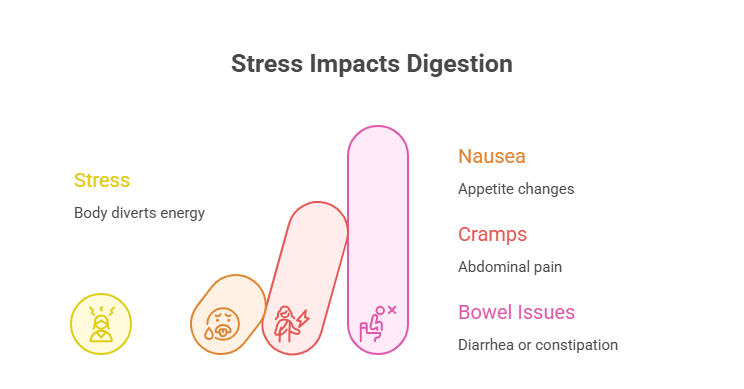
Stress doesn’t just affect your mood, it directly impacts digestion. When the body is under stress, it diverts energy away from digestion, slowing gut movement or speeding it up unpredictably.
This stress-gut connection can cause:
To reduce stress-related digestive symptoms:
Managing stress is one of the most overlooked digestive health tips.
Many over-the-counter and prescription medications can irritate the stomach lining. Pain relievers like NSAIDs, iron supplements, and some vitamins are common stomach infection causes when taken improperly.
Antibiotics are another major contributor. While they fight infection, they also disrupt healthy gut bacteria, increasing the risk of diarrhea, cramping, and bloating.
To protect digestion:
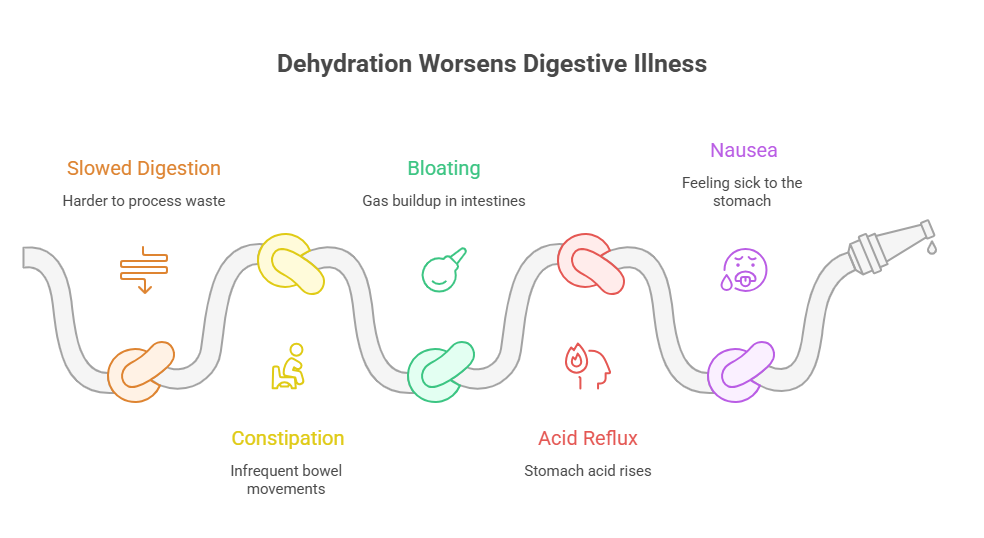
Dehydration slows digestion and makes it harder for the intestines to process waste effectively. This can worsen constipation, bloating, acid reflux, and nausea.
Signs digestive illness may be linked to dehydration include:
Simple hydration tips include sipping water throughout the day, increasing fluids during illness or heat exposure, and limiting alcohol and sugary drinks.
Your gut contains trillions of beneficial bacteria that help digest food, absorb nutrients, and protect against harmful pathogens. When this balance is disrupted, digestive illness can follow.
Gut bacteria may be disturbed by:
To support gut balance:
Travel, routine changes, and shared environments often expose people to unfamiliar bacteria and viruses. Digestive illness can develop after:
Good hand hygiene, safe food practices while traveling, and maintaining routines as much as possible can reduce risk.
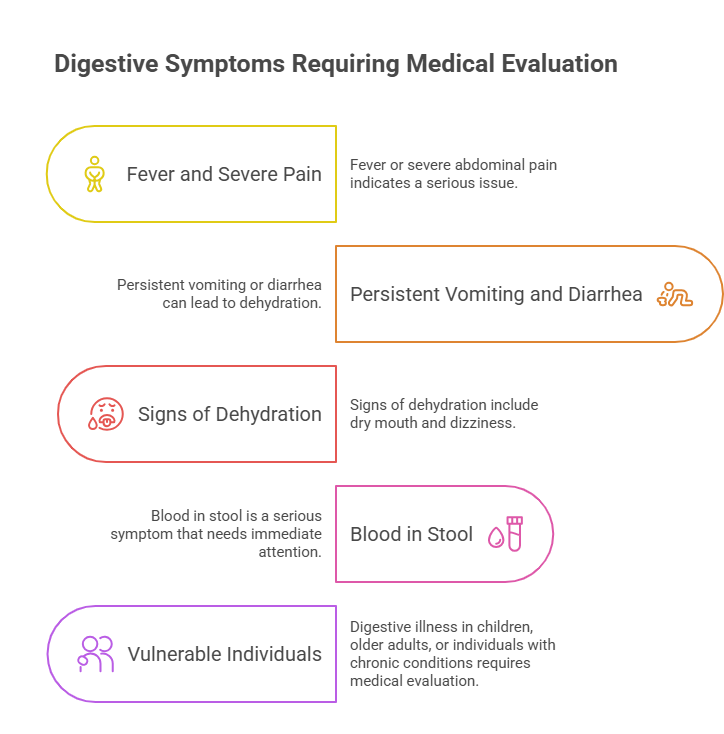
While many digestive illnesses resolve on their own, some symptoms require medical evaluation, especially if they last more than a few days.
Seek care if you experience:
At urgent care, providers begin with a detailed symptom review and physical exam. When needed, on-site testing can help identify infections, dehydration, or other causes.
Same-day treatment may include fluids, medications to control symptoms, antibiotics when appropriate, and guidance on recovery and prevention.
Digestive illness isn’t always caused by bad food. Stress, dehydration, medications, disrupted gut bacteria, and lifestyle changes all play a role in digestive health. Recognizing these unexpected triggers can help you prevent symptoms and act early when problems arise.
Most digestive problems are treatable, and early evaluation can prevent complications, especially when symptoms don’t improve.
Digestive illness can strike suddenly and disrupt your daily routine. Metro Urgent Care offers prompt evaluation and reliable treatment for stomach pain, nausea, and other digestive concerns, without long waits. Our experienced team is here to help you feel better faster.
Contact us today for trusted digestive care close to home.
Some digestive infections spread through contact with contaminated surfaces or hands, even when symptoms are mild or limited to nausea or stomach discomfort.
Digestive symptoms lasting more than three days, worsening over time, or interfering with hydration and daily activities may require medical evaluation and testing.
Symptoms may return if the underlying cause isn’t fully resolved, gut bacteria remain disrupted, or normal eating resumes too quickly during recovery.
Older adults and individuals with chronic conditions face higher risks of dehydration, complications, and delayed recovery from digestive illness.
Repeated digestive symptoms may signal food sensitivities, intolerances, or underlying digestive conditions that benefit from medical assessment and dietary guidance.


Stay protected this flu season!


