





You’ve planned the perfect itinerary, booked the flights, and packed your bags. But there is one uninvited guest that crashes millions of vacations every year: traveler’s diarrhea.
As one of the most common travel-related illnesses, it affects between 30% to 70% of travelers depending on the destination. While it’s rarely life-threatening, it can certainly ruin a carefully planned trip.
Understanding why it happens and how to manage it is the difference between a minor speed bump and a canceled vacation.
Traveler’s diarrhea is one of the most common travel-related illnesses worldwide. The main reason is simple: your digestive system isn’t used to the bacteria and microorganisms found in different regions.
Changes in food preparation, water quality, and hygiene standards increase exposure to germs your body hasn’t encountered before. Something as routine as ice in a drink or rinsing fruit with tap water can be enough to cause trouble. Acting early when symptoms begin can help prevent dehydration and keep a minor issue from turning into a major setback.
Traveler’s diarrhea causes are rooted in your digestive system meeting new microorganisms it doesn't recognize. When you travel to regions with different climates or sanitary standards, you are exposed to bacteria, viruses, or parasites that locals might be immune to, but you are not.
The most common culprit is Enterotoxigenic Escherichia coli (ETEC), but other high-risk pathogens include Salmonella, Shigella, and Norovirus. Even the most seasoned travelers can get sick if they encounter a particularly high "load" of these germs in a new environment.
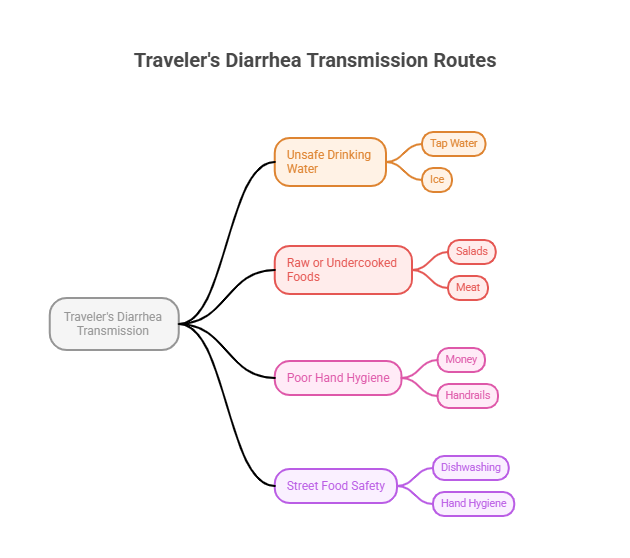
It’s often said that "fecal-oral" is the primary route of transmission, which is a polite way of saying that contaminated matter has made its way into your food or water.
This typically happens through:
The onset of diarrhea while traveling usually happens within the first week of a trip, but it can start at any time.
The best defense is a proactive offense. To prevent traveler’s diarrhea, follow the classic traveler’s mantra:
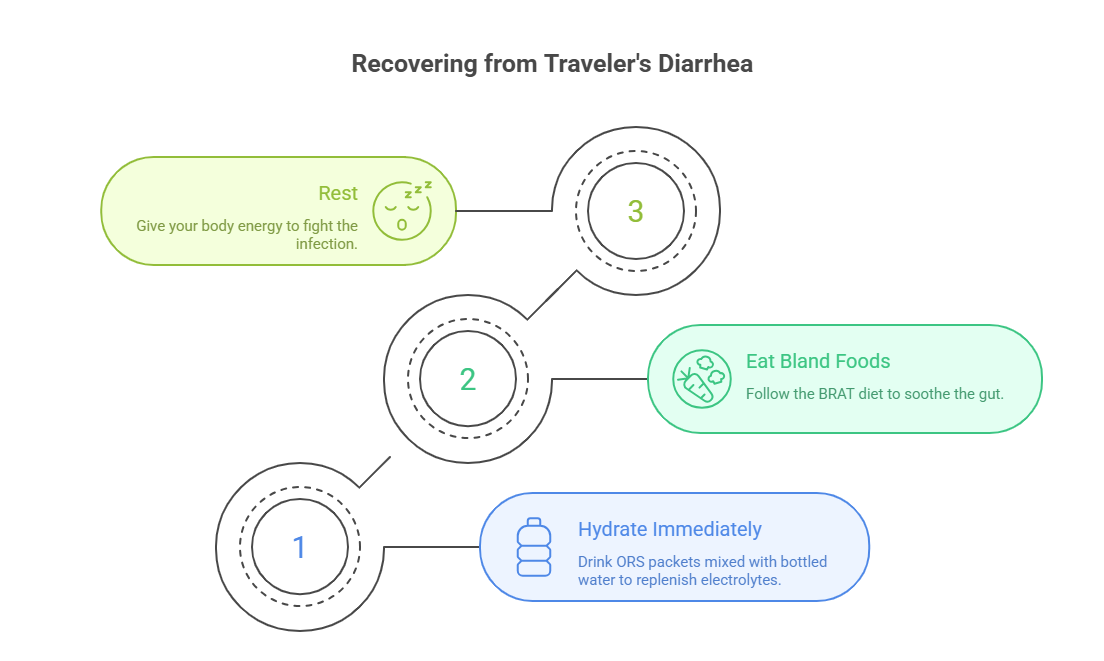
If it hits, don't panic. Most cases resolve within 1–3 days with the right care.
While most cases are self-limiting, you should seek medical attention if:
Traveler’s diarrhea is a common hurdle, but it doesn’t have to be the end of your adventure. By being mindful of what you eat and drink and acting quickly at the first sign of symptoms, you can get back to exploring in no time. Prevention is your best friend, but hydration is your best medicine.
Planning a trip soon? Check your destination’s health advisories and make sure your travel first-aid kit is fully stocked before you head to the airport!
Travel stomach issues such as stomach pain can strike unexpectedly, making your trip uncomfortable and stressful. Metro Urgent Care provides fast, reliable treatment and expert guidance to help you rehydrate, manage symptoms, and recover safely. With the right care, you can get back to enjoying your travels confidently and comfortably.
Contact us today and walk in for prompt relief.
Symptoms can appear days after returning, especially if caused by parasites or bacteria. Early recognition and hydration are important for effective recovery at home.
Most cases resolve within two to three days with proper hydration and rest, though some infections may persist longer and require medical attention.
It can spread through poor hand hygiene or contaminated surfaces, so practicing good sanitation and careful food handling helps prevent transmission to family or others.
Antibiotics are not always necessary and should only be used when prescribed by a healthcare provider, depending on severity, symptoms, and travel destination.
Children are more susceptible due to smaller fluid reserves and developing immunity, making hydration and early care especially important to prevent complications.


Stay protected this flu season!


