





Sudden changes in appetite can happen from time to time and are often linked to stress, minor illnesses, changes in routine, or other temporary factors. You may notice that you are eating less, no longer feel hungry, or simply do not feel like eating.
Some people may describe this as not feeling hungry, never feeling hungry, eating less than usual, or having little interest in food. The change may happen suddenly rather than developing gradually.
The important question is not only how much you are eating, but also how long the appetite change lasts and whether you have other symptoms.
In many cases, appetite returns as the underlying issue improves. However, sudden loss of appetite that persists, worsens, or occurs with symptoms such as weight loss, weakness, nausea, or fever may point to an underlying health concern.
Understanding why you are not hungry and knowing when to seek medical care can help you address the problem early.
A sudden loss of appetite refers to a noticeable decrease in the desire to eat that develops quickly, often within a day or two, rather than gradually over time.
It’s important to distinguish between:
Understanding this difference helps determine whether simple self-care is enough or if appetite loss treatment may be needed.
Viral infections such as the flu, common cold, or stomach bugs often reduce appetite. During illness, the body focuses its energy on recovery rather than digestion, which naturally lowers hunger signals.
Emotional health plays a major role in eating patterns. High stress levels can suppress appetite, while anxiety or depression may disrupt normal hunger cues.
Hormonal responses during stress can directly affect how often and how much you feel like eating.
Conditions such as gastritis, acid reflux, or ulcers can make eating uncomfortable. When food is associated with pain or discomfort, the body may start avoiding it altogether.
Certain medications, including antibiotics, pain relievers, or long-term treatments for chronic conditions, can temporarily suppress appetite.
This effect usually improves once the body adjusts or the medication is completed.
Imbalances related to thyroid function or blood sugar levels can interfere with hunger signals. These changes may not always be obvious but can significantly affect appetite over time.
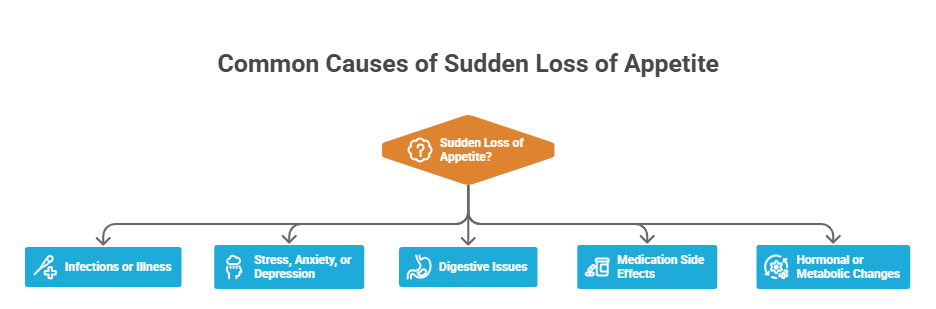
There are several reasons you may suddenly stop feeling hungry. A temporary illness, stress, digestive discomfort, medication side effects, or changes in your body's hormones and metabolism can all affect normal hunger signals.
If you are asking yourself, “Why do I not get hungry?” or “Why do I feel like not eating?”, consider whether the change started after an illness, medication change, stressful event, or digestive problem.
If there is no obvious reason and your appetite remains low, a healthcare provider can help determine what may be causing the change.
When appetite loss continues, eating too little can affect how you feel and function. You may experience:
If these symptoms develop along with persistent appetite loss, medical evaluation may be appropriate.
While occasional appetite loss may not be a concern, certain loss of appetite symptoms should not be ignored:
If you notice any of these, it’s time to seek medical care.
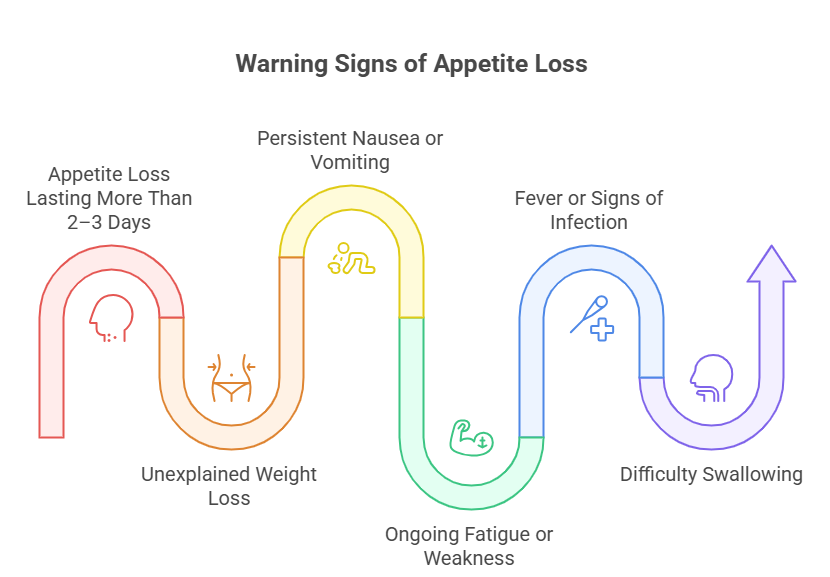
There are situations where waiting it out is not the best approach. Consider visiting urgent care Clinic if:
Urgent care centers provide quick evaluation, immediate support, and treatment without long waiting periods, helping address the issue before it worsens.
Identifying the reason behind appetite loss is essential for proper treatment. Doctors typically begin with:
The goal is to uncover any underlying issue and guide the right course of appetite loss treatment.
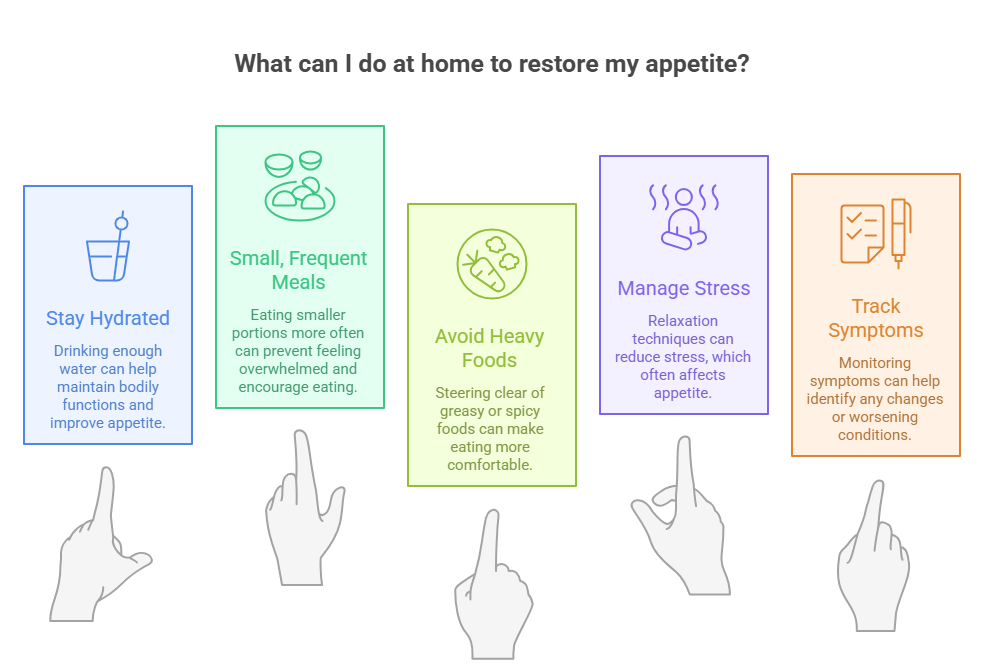
If your appetite loss is mild and short-lived, a few simple habits may help you start eating normally again:
If your appetite does not return or you continue eating less than usual, speak with a healthcare provider to determine whether an underlying condition is contributing to the change.
When you have little appetite, smaller portions may be easier to manage than full meals. Depending on what you tolerate, try simple, nutrient-rich foods such as:
The goal is to maintain adequate nutrition and hydration without forcing yourself to eat large meals.
A sudden loss of appetite is not always a cause for concern, but it should not be overlooked when it lasts longer than expected or comes with other symptoms. Paying attention to your body’s signals can help catch potential issues early.
Delaying care may allow underlying conditions to progress, making treatment more complicated. Early evaluation ensures that any concerns are addressed promptly and effectively.
When appetite drops suddenly or doesn’t return, it can be your body’s way of signaling something deeper. Metro Urgent Care provides fast, same-day evaluation to help uncover the cause and guide the right next steps for care.
Contact us today to be seen without delay.
Sudden appetite loss can result from infections, stress, medications, digestive issues, or hormonal changes affecting normal hunger signals and body regulation.
If appetite does not return within two to three days or worsens, it may indicate an underlying issue needing medical evaluation.
Some people naturally have less appetite early in the day, while others may notice this change because of stress, poor sleep, digestive problems, medications, or an irregular eating schedule. If a lack of appetite in the morning is new, persistent, or accompanied by weight loss, nausea, fatigue, or other symptoms, talk with a healthcare provider.
A reduced appetite can occur with illness, stress, digestive problems, medication side effects, or hormonal and metabolic changes. If you regularly go without feeling hungry or are eating much less than usual, consider speaking with a healthcare provider.
Yes. Eating less than your body needs can contribute to low energy and unintentional weight loss. When appetite loss occurs together with persistent tiredness or weight loss, medical evaluation can help determine whether another condition is responsible.
Yes, stress and anxiety can suppress hunger hormones, disrupt digestion, and reduce interest in food, leading to temporary or ongoing appetite loss.
It can be. Persistent appetite loss may signal infections, digestive disorders, metabolic issues, or other conditions requiring proper medical assessment.
Seek medical care if appetite loss lasts several days, includes weight loss, weakness, nausea, or affects your ability to eat normally.


Stay protected this flu season!


